
The fair market value of a donated drinking glass is $0.5–$4 per item in 2026, depending on condition.
Kitchen Donation Values · Updated November 1, 2026
Drinking Glass Donation Value: What Is It Worth in 2026?
The fair market value (FMV) of a donated drinking glass ranges from $0.5 to $4 per item in 2026, based on ItsDeducted's valuation dataset and IRS fair market value principles.
Valuation data by ItsDeducted Team · Updated November 1, 2026
Based on aggregated U.S. resale-market prices and IRS Publication 561 fair market value principles. See how we calculate these values.
Donating more than this one item? Track your whole donation free.
ItsDeducted helps estimate fair market value and keep organized donation records.
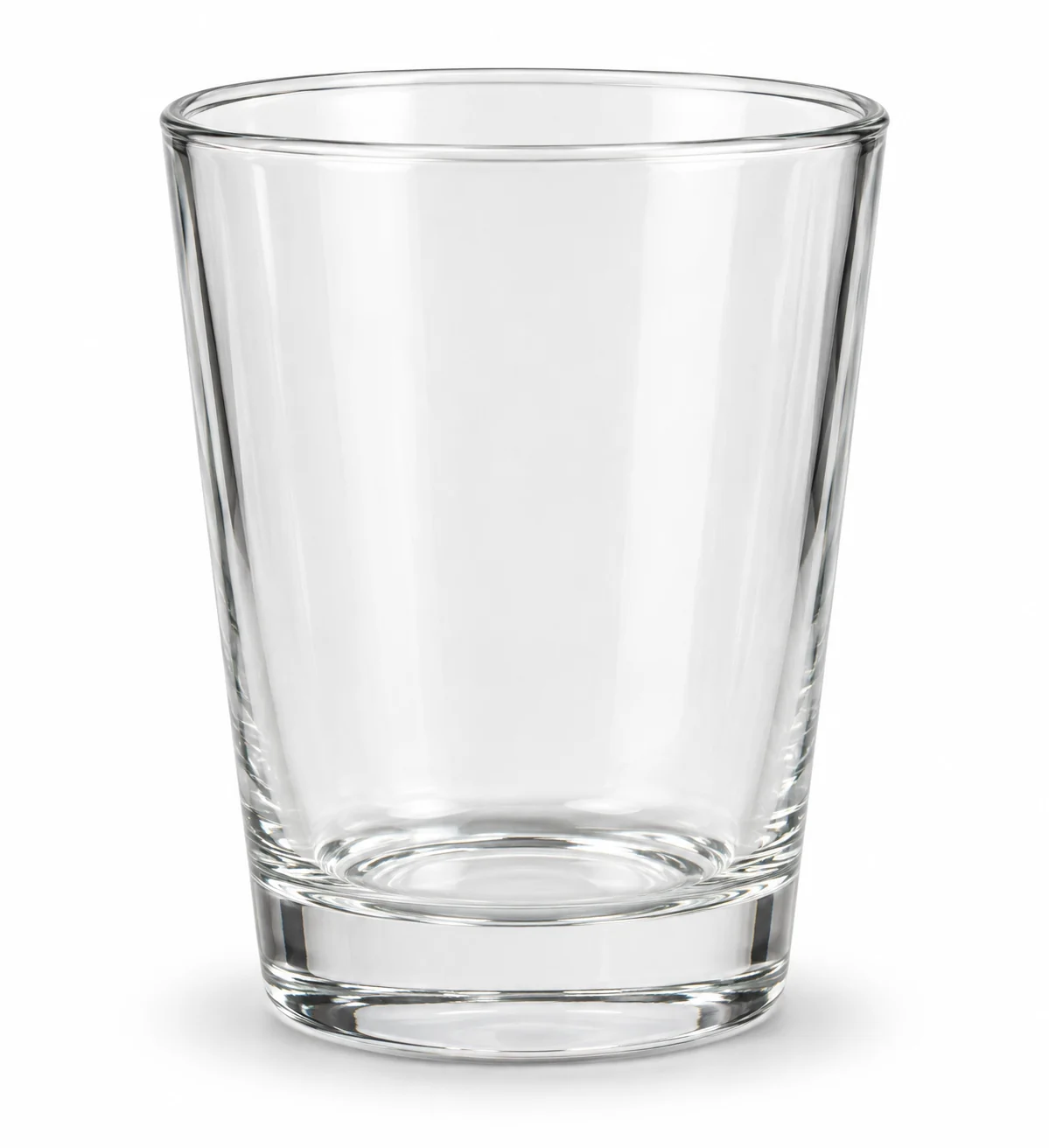
Drinking Glass donation values are most impacted by surface integrity, standard wear, structural preservation, and set consistency.
A drinking glass typically carries an estimated donation value ranging from $0.5 in fair condition to $1.5 for good quality, with like-new items reaching up to $4. Value is primarily driven by the presence of a complete, matching set, as individual tumblers often hold less appeal for resale compared to a coordinated glassware collection. Buyers prioritize items free of cloudiness, chips, or cracks, as these flaws significantly impact the aesthetic appeal and overall utility of the glass.
Drinking Glass Donation Values
2026 Drinking Glass Donation Values by Condition
Use the item's actual condition and relevant used-market prices to estimate fair market value at the time of donation, rather than its original purchase price.
| Condition | FMV per item | What it means | Tax note |
|---|---|---|---|
| New / Like New | $4 | A drinking glass in this state retains its original luster with zero surface scratches, cloudiness, or hard water deposits, making it look as if it were just removed from the store packaging. Items in this pristine, like new condition typically support a fair market value of around $4. | Condition may qualify |
| Good | $1.5 | Light, superficial surface wear from a dishwasher or gentle usage might be present, but the glass remains perfectly clear without any chips, cracks, or deep abrasions. A well-maintained piece showing only these minimal signs of use typically supports a fair market value of $1.5. | Condition may qualify |
| Fair | $0.5 | Visible imperfections like faint water etching, slight clouding, or microscopic rim nicks are apparent upon close inspection, though the glass remains sturdy and fully functional for daily use. Such items may still be suitable for resale at approximately $0.5 in fair market value. | Check the IRS condition rule |
| Poor | $0 | Deep scratches, noticeable chips along the drinking rim, or persistent mineral deposits that compromise the structural integrity make this glass marginal for resale. Due to the risk of glass splintering or sanitary concerns regarding porous damaged areas, this level of wear is often unsuitable for the donation floor. | Generally below the condition rule |
These are estimated values, not deductible amounts. For clothing and household items, the IRS generally requires good used condition or better; a narrow exception may apply to a single item with a qualified appraisal and claimed value over $500.
Drinking Glass Value Factors
What Affects the Value of Donated Drinking Glasses?
Not all donated drinking glasses are worth the same. These factors have the biggest impact on FMV:
Visible imperfections like faint water etching slight clouding or microscopic rim nicks are apparent upon close inspection though the glass remains sturdy and fully functional for daily use and such items may still be suitable for resale at approximately $0.5 in fair market value.
Light superficial surface wear from a dishwasher or gentle usage might be present but the glass remains perfectly clear without any chips cracks or deep abrasions and a well-maintained piece showing only these minimal signs of use typically supports a fair market value of $1.5.
A drinking glass that retains its original clarity without structural damage or severe haze commands a premium valuation of $4 because it presents like new for prospective buyers.
Glassware offered as part of a matching multi-piece set rather than a solitary unit increases overall utility and appeal which shifts the valuation toward the higher end of the $1.5 to $4 range.
Drinking glasses that are free from stubborn mineral deposits or dishwashing film maintain higher desirability and value compared to units with heavy water scale accumulation.
Drinking Glass Condition Issues
Common Condition Issues and How They Affect Value
Before donating a drinking glass, check for these issues. Each may change the condition tier and estimated fair market value.
| Issue | Effect on Value | What to Do |
|---|---|---|
| Light Water Etching | Acceptable | Fine surface clouding from dishwasher use is common and typically does not detract from the functional value of the glass. |
| Minor Rim Nicks | Lowers value | Small surface irregularities along the drinking edge are visible upon close inspection and reduce the resale appeal of the glassware. |
| Deep Rim Chips | May eliminate value | Jagged chips along the drinking edge pose a safety hazard for mouth contact and render the item unsuitable for donation. |
| Structural Cracks | May eliminate value | Any visible crack or fracture in the glass body compromises the structural integrity and creates a risk of shattering during use. |
| Persistent Mineral Deposits | Lowers value | Heavy hard water buildup that remains after cleaning affects the aesthetic appeal and limits the potential resale price. |
Drinking Glass Brand Value
Does Brand Name Affect the Value of Donated Drinking Glasses?
The maker of a drinking glass rarely has a meaningful impact on its fair market value, as functional utility depends far more on the item's material, cleanliness, and overall capacity. Donors should prioritize checking for cracks, chips, or cloudiness, as these physical flaws diminish a glass's worth regardless of any luxury label or manufacturer's logo. Because consumers primarily value a glass for its clarity and durability in daily use, its resale appeal is driven by its current condition rather than its original retail brand.
No Spreadsheets Needed
Add your drinking glass, review its estimated fair market value, and keep the details together for tax time.
Start Tracking FreeWe donate things all the time, but keeping track of everything was a hassle and often just didn't get done. I was skeptical, but the first time I took a photo of a pile of items, I was surprised by how well it identified everything and how quickly I had everything saved and valued.
Fair Market Value Methodology
How We Calculate These Values
ItsDeducted's fair market values are built from a regularly updated dataset of resale prices across thrift stores, resale platforms, and charity shops nationwide. We apply IRS fair market value principles (IRS Publication 561) to map those prices to four condition tiers.
For a donated drinking glass, our 2026 dataset yields a fair market value range of $0.5–$4 per item across condition grades.
- We aggregate resale pricing signals for Drinking Glasses across major thrift channels.
- We apply condition-tier adjustments consistent with IRS FMV guidance.
- We review and update our dataset regularly — the last date that fair market value data was updated is included on every page.
- Our values reflect the U.S. national average. Local thrift store prices may vary. The IRS expects you to use prices representative of your area.
Pricing year: 2026 — Drinking Glass Fair Market Values Last Updated: November 1, 2026.
These estimates use the fair market value principles in IRS Publication 561. They are not IRS-issued values. Local resale prices, item details, and the donation date can change the appropriate estimate. For a claimed deduction over $5,000 for an item or group of similar items, a qualified appraisal is generally required.
For broader context on the goods people documented, read the 2026 ItsDeducted Donation Value Report. Its anonymized platform snapshot is separate from this item-specific estimate.
Donation Tax Rules
IRS Rules for Donating Drinking Glasses
For clothing and household items, the IRS generally requires good used condition or better. An exception may apply to a single lower-condition item when the claimed deduction exceeds $500 and is supported by a qualified appraisal and Form 8283. IRS Publication 561
Condition requirement
Estimate value from the item's actual condition on the donation date. Clothing and household items generally must be in good used condition or better to support a deduction, subject to the qualified-appraisal exception noted above.
Written acknowledgment
If you claim a deduction of $250 or more for a contribution, keep a contemporaneous written acknowledgment from the charity. Keep reliable written records for smaller contributions too.
Form 8283 (over $500)
If your claimed deduction for noncash contributions exceeds $500, generally attach Form 8283 to your return. The details and appraisal rules depend on the property and claimed amount.
Qualified charity
Charitable deductions generally require donations to qualified organizations. Many national thrift charities may qualify, but verify the receiving organization and keep your receipt.
What to save in your records
- Donation date and receiving organization.
- Item description: drinking glass, quantity, and condition.
- Estimated fair market value used for each condition tier.
- Receipt, written acknowledgment, photos, or notes that support the estimate.
IRS reference: IRS Publication 561 explains how to determine fair market value. IRS Publication 526 explains charitable contribution recordkeeping and substantiation. Donors should document the item, its condition, and how they arrived at the estimate. Read IRS Publication 526 for substantiation rules.
Drinking Glass Donation Acceptance
What Charities Typically Accept for Drinking Glasses
A drinking glass should be free of chips, cracks, and deep scratches to ensure it is safe for consumer use and meets standard hygiene requirements. Many charities may decline items with persistent mineral deposits, significant clouding, or jagged rim nicks because these flaws often suggest structural weakness or sanitation concerns. While pieces with minor water etching may still be accepted, items displaying severe damage are typically rejected to prioritize shopper safety. Please check the charity's current guidelines to confirm their specific standards for kitchenware and food-contact items.
FAQ
Frequently Asked Questions for Drinking Glass Donations
How does the condition of the rim and surface affect the fair market value of a drinking glass?
A drinking glass in like new condition with no scratches or cloudiness typically supports a fair market value of around $4. If the glass shows light superficial wear from dishwasher use but remains free of chips, it generally supports a value of $1.5. Pieces with faint etching or microscopic rim nicks are considered fair and typically support a value of around $0.5.
Are chipped drinking glasses suitable for donation?
Drinking glasses with noticeable chips along the drinking rim or deep scratches are often unsuitable for the donation floor due to safety concerns regarding glass splintering. Because these damages create sanitary issues and potential injury risks, items in poor condition generally do not hold fair market value for resale purposes.
Why does persistent cloudiness or hard water etching lower the value of a drinking glass?
Persistent mineral deposits and clouding often indicate permanent damage to the glass surface, which reduces its aesthetic appeal and resale potential. A glass with these visible imperfections is categorized as fair, typically supporting a fair market value of $0.5, compared to the $4 value assigned to a pristine, clear glass.
Do premium brands significantly increase the fair market value of a standard drinking glass?
For basic drinking glassware, brand names generally have a low impact on fair market value because most consumers prioritize the physical condition and utility of the glass. Whether the item is a generic glass or a well-known brand, the valuation is primarily driven by whether it is free of chips, cracks, and surface clouding.
What cleanliness standards should be met before donating a drinking glass?
Donated glassware must be thoroughly cleaned and free of any residual food, drink, or stuck-on debris to be considered for the resale floor. A clean, well-maintained glass that looks like it was recently removed from packaging represents a like new condition, which supports a fair market value of $4.
Don't Leave Money on the Table
Your drinking glass donation may have an estimated value of $0.5–$4
Review the condition, save the details, and keep your records organized in ItsDeducted.
Start Tracking FreeNeed more? ItsDeducted Pro is $2.50 / month, billed annually at $29.99.