
The fair market value of a donated winter hat is $1–$8 per item in 2026, depending on condition.
Clothing Donation Values · Updated November 2, 2026
Winter Hat Donation Value: What Is It Worth in 2026?
The fair market value (FMV) of a donated winter hat ranges from $1 to $8 per item in 2026, based on ItsDeducted's valuation dataset and IRS fair market value principles.
Valuation data by ItsDeducted Team · Updated November 2, 2026
Based on aggregated U.S. resale-market prices and IRS Publication 561 fair market value principles. See how we calculate these values.
Donating more than this one item? Track your whole donation free.
ItsDeducted helps estimate fair market value and keep organized donation records.
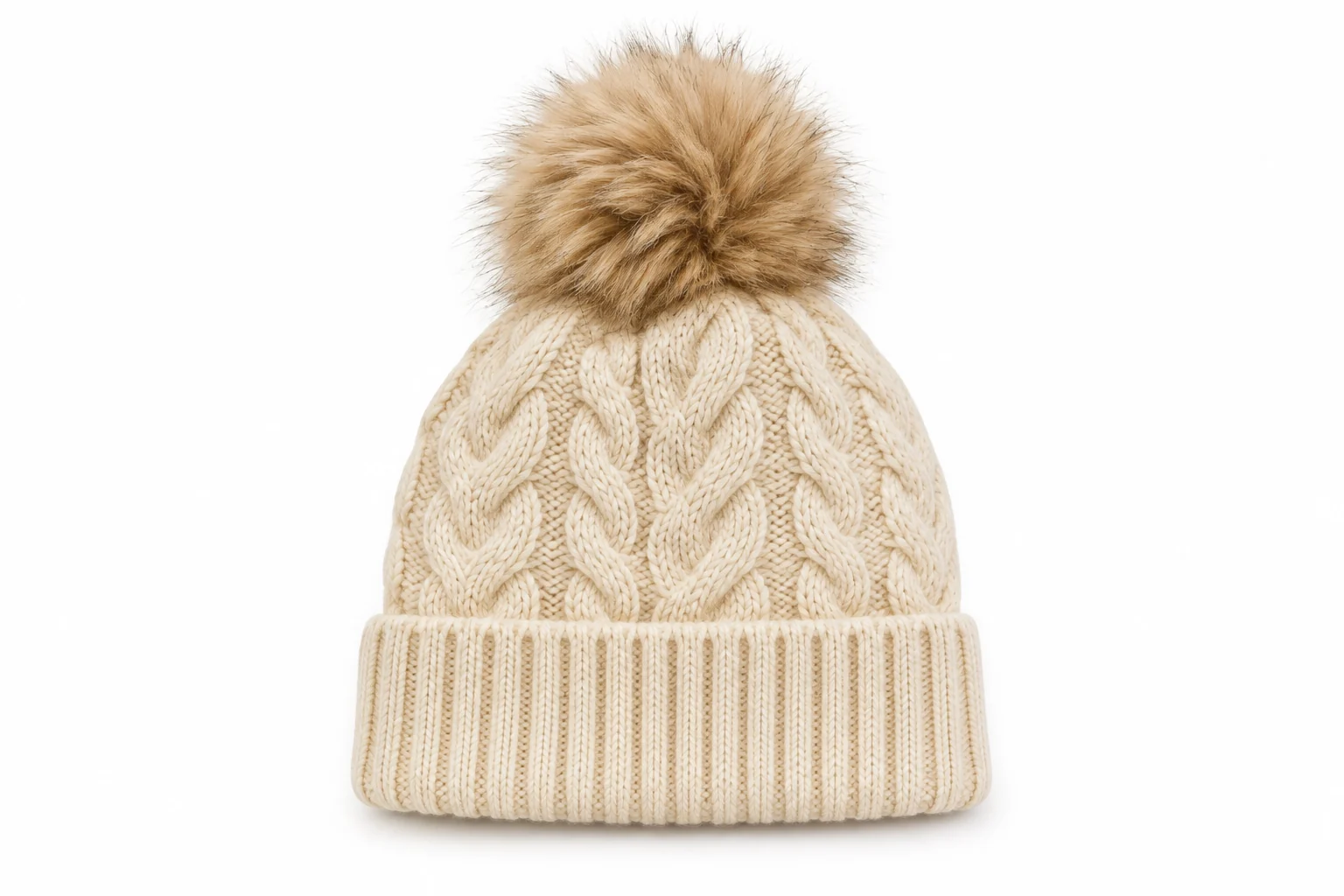
Winter Hat donation values are most impacted by fabric integrity, surface wear, structural construction, and style currency.
The estimated donation value for a winter hat typically ranges from $1 for items in fair condition to $3 for those in good condition, while pieces in like-new condition may support a deduction of up to $8. Factors such as the presence of high-quality insulating materials like wool or fleece, as well as the structural integrity of pom-poms and linings, significantly influence the final fair market value. Donors should assess whether the hat remains seasonally appropriate and free of pilling or stretched-out elastic to determine its realistic resale potential.
Winter Hat Donation Values
2026 Winter Hat Donation Values by Condition
Use the item's actual condition and relevant used-market prices to estimate fair market value at the time of donation, rather than its original purchase price.
| Condition | FMV per item | What it means | Tax note |
|---|---|---|---|
| New / Like New | $8 | A winter hat in this tier shows no signs of prior wear, with fabric that retains its original shape, vibrant color, and structural integrity. Featuring clean, undisturbed fibers and no pilling, this piece is in pristine condition and typically supports around $8 in fair market value. | Condition may qualify |
| Good | $3 | Only minimal surface pilling or very faint signs of gentle washing are present on this hat, which remains fully intact with no odors or stretched seams. Because it shows only light cosmetic use, it typically supports around $3 in fair market value. | Condition may qualify |
| Fair | $1 | Visible areas of fabric thinning, slight color fading, or localized pilling indicate regular use, though the hat remains structurally sound and fully wearable. Minor imperfections like these often place the piece in the $1 range for fair market value. | Check the IRS condition rule |
| Poor | $0 | Significant issues such as large snags, stretched-out elastic, or persistent odors render this hat difficult to resell for its intended purpose. Any deep stains, visible holes in the knit, or fraying seams suggest the item has reached the end of its functional life. | Generally below the condition rule |
These are estimated values, not deductible amounts. For clothing and household items, the IRS generally requires good used condition or better; a narrow exception may apply to a single item with a qualified appraisal and claimed value over $500.
Winter Hat Value Factors
What Affects the Value of Donated Winter Hats?
Not all donated winter hats are worth the same. These factors have the biggest impact on FMV:
Visible areas of fabric thinning or localized pilling indicate regular use that often places the piece in the $1 range for fair market value.
Only minimal surface pilling or very faint signs of gentle washing are present on this hat which remains fully intact and typically supports around $3 in fair market value.
Hats showing stretched elastic bands or loose pom-poms lose significant value compared to pristine items that retain their original shape and reach the $8 like new valuation.
A classic timeless silhouette maintains broader resale appeal whereas highly niche or dated novelty patterns often depreciate the item toward the $1 fair market value range.
Natural fibers like high-quality wool or cashmere retain their structural loft and warmth longer than synthetic acrylic blends helping these hats reach the $8 like new valuation.
Winter Hat Condition Issues
Common Condition Issues and How They Affect Value
Before donating a winter hat, check for these issues. Each may change the condition tier and estimated fair market value.
| Issue | Effect on Value | What to Do |
|---|---|---|
| Light Fabric Pilling | Acceptable | Minor surface fuzz on the exterior of the knit fabric is a common result of regular use and does not impact the hat's warmth or structural integrity. |
| Localized Color Fading | Acceptable | Slight lightening of the fabric hue due to sun exposure or washing is expected for used headwear and does not significantly hinder resale appeal. |
| Stretched Elastic Band | Lowers value | Loss of elasticity in the brim area makes the hat fit loosely on the head and reduces its overall value for resale. |
| Deep Fabric Holes | May eliminate value | Significant tears or gaping holes in the knit material compromise the hat's thermal performance and make it unsuitable for donation resale. |
| Persistent Odors | May eliminate value | Strong smells such as smoke or mildew that cannot be removed through standard washing render the garment unsanitary and unfit for the sales floor. |
| Visible Seam Separation | May eliminate value | Unraveling stitching or detached panels indicate the hat is falling apart and no longer provides the necessary function for cold weather protection. |
Winter Hat Brand Value
Does Brand Name Affect the Value of Donated Winter Hats?
For a winter hat, the maker rarely has a meaningful impact on fair market value because utility and aesthetic appeal are driven primarily by condition, fabric quality, thermal performance, and the absence of odors or stains. Because these accessories are chosen based on their fit, style, and ability to provide warmth rather than a prominent logo, factors like material composition and seasonal relevance significantly outweigh the original label in the secondary market.
No Spreadsheets Needed
Add your winter hat, review its estimated fair market value, and keep the details together for tax time.
Start Tracking FreeWe donate things all the time, but keeping track of everything was a hassle and often just didn't get done. I was skeptical, but the first time I took a photo of a pile of items, I was surprised by how well it identified everything and how quickly I had everything saved and valued.
Fair Market Value Methodology
How We Calculate These Values
ItsDeducted's fair market values are built from a regularly updated dataset of resale prices across thrift stores, resale platforms, and charity shops nationwide. We apply IRS fair market value principles (IRS Publication 561) to map those prices to four condition tiers.
For a donated winter hat, our 2026 dataset yields a fair market value range of $1–$8 per item across condition grades.
- We aggregate resale pricing signals for Winter Hats across major thrift channels.
- We apply condition-tier adjustments consistent with IRS FMV guidance.
- We review and update our dataset regularly — the last date that fair market value data was updated is included on every page.
- Our values reflect the U.S. national average. Local thrift store prices may vary. The IRS expects you to use prices representative of your area.
Pricing year: 2026 — Winter Hat Fair Market Values Last Updated: November 2, 2026.
These estimates use the fair market value principles in IRS Publication 561. They are not IRS-issued values. Local resale prices, item details, and the donation date can change the appropriate estimate. For a claimed deduction over $5,000 for an item or group of similar items, a qualified appraisal is generally required.
For broader context on the goods people documented, read the 2026 ItsDeducted Donation Value Report. Its anonymized platform snapshot is separate from this item-specific estimate.
Donation Tax Rules
IRS Rules for Donating Winter Hats
For clothing and household items, the IRS generally requires good used condition or better. An exception may apply to a single lower-condition item when the claimed deduction exceeds $500 and is supported by a qualified appraisal and Form 8283. IRS Publication 561
Condition requirement
Estimate value from the item's actual condition on the donation date. Clothing and household items generally must be in good used condition or better to support a deduction, subject to the qualified-appraisal exception noted above.
Written acknowledgment
If you claim a deduction of $250 or more for a contribution, keep a contemporaneous written acknowledgment from the charity. Keep reliable written records for smaller contributions too.
Form 8283 (over $500)
If your claimed deduction for noncash contributions exceeds $500, generally attach Form 8283 to your return. The details and appraisal rules depend on the property and claimed amount.
Qualified charity
Charitable deductions generally require donations to qualified organizations. Many national thrift charities may qualify, but verify the receiving organization and keep your receipt.
What to save in your records
- Donation date and receiving organization.
- Item description: winter hat, quantity, and condition.
- Estimated fair market value used for each condition tier.
- Receipt, written acknowledgment, photos, or notes that support the estimate.
IRS reference: IRS Publication 561 explains how to determine fair market value. IRS Publication 526 explains charitable contribution recordkeeping and substantiation. Donors should document the item, its condition, and how they arrived at the estimate. Read IRS Publication 526 for substantiation rules.
Winter Hat Donation Acceptance
What Charities Typically Accept for Winter Hats
To be considered for donation, a winter hat must be freshly laundered, odor-free, and completely free of any stains or debris caught in the knit. Items with significant structural issues such as stretched-out elastic bands, large snags, or visible holes in the weave are often rejected because they can no longer fulfill their intended purpose. While many charities may accept hats in good condition, those showing heavy pilling or structural fraying are typically valued conservatively or declined. Because seasonality significantly impacts storage space, it is best to check a charity's current guidelines before dropping off cold-weather accessories.
FAQ
Frequently Asked Questions for Winter Hat Donations
What does a winter hat look like in like-new, good, or fair condition?
A like-new winter hat retains its original shape and vibrant color, with no pilling, typically supporting a fair market value of $8. A good condition hat shows minimal surface pilling or faint signs of washing but remains intact, supporting a fair market value of $3. A fair condition hat may have visible fabric thinning or slight color fading from regular use, which typically supports a fair market value of $1.
What signs of wear suggest a winter hat has reached the end of its functional life?
A winter hat is generally considered unsuitable for donation if it shows significant issues like large snags, stretched-out elastic, or persistent odors. Visible holes in the knit, deep stains, or fraying seams indicate the item is no longer in a condition suitable for resale and may not support an estimated donation value.
How does the construction and fabric of a winter hat influence its donation valuation?
Because brand sensitivity is low for winter hats, valuation is primarily driven by physical condition and material integrity. Hats that retain their structural shape without stretched-out fibers or pilling are more desirable for resale, whereas items with compromised elasticity or thinning fabric reflect a lower fair market value.
Does the seasonal timing of a donation affect the fair market value of a winter hat?
While the physical condition remains the primary driver of value, thrift stores often see higher demand for winter hats during late autumn and winter months. Donating seasonal items when demand is highest ensures they are ready for immediate resale, though the condition-based fair market values of $1, $3, or $8 remain consistent regardless of the time of year.
Are there specific size or fit factors that impact the resale demand for a winter hat?
Winter hats with standard, flexible sizing or neutral, classic cuts often see more consistent demand than highly niche or heavily embellished styles. Regardless of the size, a hat that is free of odors and structural damage like stretched seams is better positioned for resale, which helps determine its fair market value for your donation records.
Don't Leave Money on the Table
Your winter hat donation may have an estimated value of $1–$8
Review the condition, save the details, and keep your records organized in ItsDeducted.
Start Tracking FreeNeed more? ItsDeducted Pro is $2.50 / month, billed annually at $29.99.