
The fair market value of a donated mixing bowl is $2–$12 per item in 2026, depending on condition.
Kitchen Donation Values · Updated August 1, 2026
Mixing Bowl Donation Value: What Is It Worth in 2026?
The fair market value (FMV) of a donated mixing bowl ranges from $2 to $12 per item in 2026, based on ItsDeducted's valuation dataset and IRS fair market value principles.
Valuation data by ItsDeducted Team · Updated August 1, 2026
Based on aggregated U.S. resale-market prices and IRS Publication 561 fair market value principles. See how we calculate these values.
Donating more than this one item? Track your whole donation free.
ItsDeducted helps estimate fair market value and keep organized donation records.
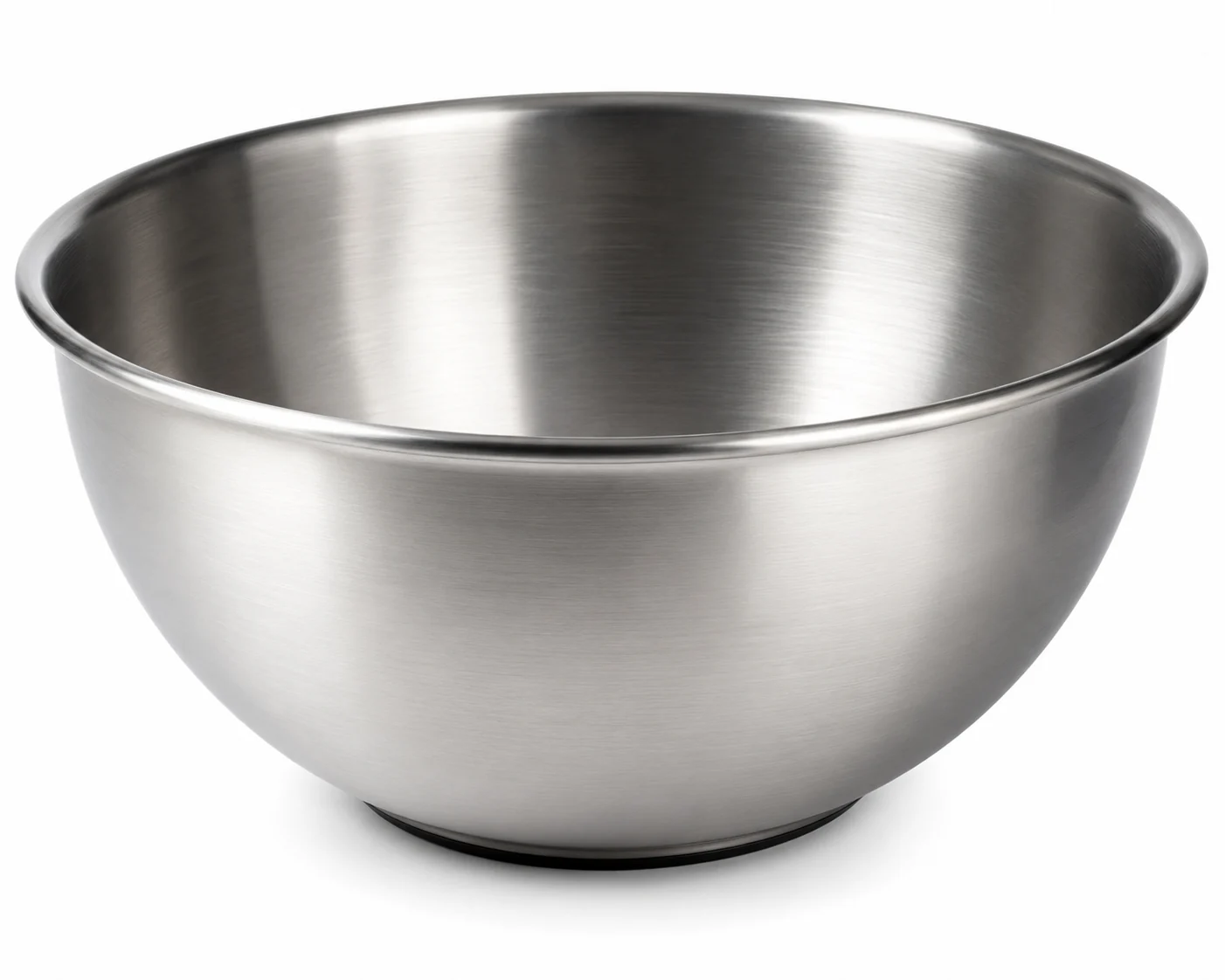
Mixing Bowl donation values are most impacted by cleaning, overall condition, materials and construction, and capacity.
A mixing bowl in fair condition might have an estimated donation value of approximately $2, while one in good condition could be valued around $6, and a like-new bowl up to $12. The material, such as glass, ceramic, or stainless steel, and the presence of any chips, cracks, or heavy staining, notably influence its fair market value. Well-maintained mixing bowls that are free from damage and thoroughly clean will support a higher deduction.
Mixing Bowl Donation Values
2026 Mixing Bowl Donation Values by Condition
Use the item's actual condition and relevant used-market prices to estimate fair market value at the time of donation, rather than its original purchase price.
| Condition | FMV per item | What it means | Tax note |
|---|---|---|---|
| New / Like New | $12 | A mixing bowl in like-new condition appears unused, free from any marks, scratches, or wear, and retains its original luster and finish, typically supporting a fair market value of approximately $12. | Condition may qualify |
| Good | $6 | A gently used mixing bowl may show very light, superficial scuffs from occasional use or washing, but it has no chips, cracks, or significant blemishes, and its food-contact surfaces are perfectly clean; this condition often supports a fair market value of around $6. | Condition may qualify |
| Fair | $2 | This mixing bowl presents with noticeable but minor cosmetic flaws such as light scratching on the interior or exterior, or perhaps a small, stable chip that doesn't compromise its function, suggesting a fair market value of approximately $2. | Check the IRS condition rule |
| Poor | $0 | Its surface exhibits extensive scratching, significant staining that won't wash off, or a large chip or crack that affects its structural integrity or safe use, making a mixing bowl in this state generally considered marginal for resale. | Generally below the condition rule |
These are estimated values, not deductible amounts. For clothing and household items, the IRS generally requires good used condition or better; a narrow exception may apply to a single item with a qualified appraisal and claimed value over $500.
Mixing Bowl Value Factors
What Affects the Value of Donated Mixing Bowls?
Not all donated mixing bowls are worth the same. These factors have the biggest impact on FMV:
A perfectly clean mixing bowl with no food residue or stains on its food-contact surfaces will command a higher value comparable to its condition, whereas a dirty one may be considered damaged.
A mixing bowl in good condition with only light superficial scuffs and no chips or cracks often supports a fair market value of around $6.
Mixing bowls made from durable materials like stainless steel or high-quality ceramic, especially if they are heavy-duty, will have a higher fair market value than those made from lightweight plastic.
Larger mixing bowls, particularly those with capacities over 4 quarts useful for baking or meal prep, tend to have a higher fair market value than very small individual serving bowls.
A mixing bowl with a stable base that resists tipping or sliding during use increases its utility and can contribute to a higher fair market value.
Mixing Bowl Condition Issues
Common Condition Issues and How They Affect Value
Before donating a mixing bowl, check for these issues. Each may change the condition tier and estimated fair market value.
| Issue | Effect on Value | What to Do |
|---|---|---|
| Light Scratches | Acceptable | Minor surface scratching on the interior or exterior from utensil use will not significantly affect the mixing bowl's value or usability. |
| Small Chip | Lowers value | A small, stable chip that does not compromise the mixing bowl's function or safety will reduce its resale value. |
| Deep Scratches | Lowers value | Deep scratches or gouges in the mixing bowl's surface will lower its appeal and likely its resale value. |
| Extensive Staining | Lowers value | Significant staining that cannot be cleaned from the mixing bowl's surface will reduce its market value. |
| Large Chip | May eliminate value | A large chip or crack that affects the mixing bowl's structural integrity or safety for use may eliminate it from donation. |
| Rust Spots | Lowers value | Rust spots on a metal mixing bowl may reduce its appeal and value, particularly if they are extensive or impact food safety. |
Mixing Bowl Brand Value
Does Brand Name Affect the Value of Donated Mixing Bowls?
A mixing bowl's value is rarely brand-driven; instead, buyers prioritize its material (e.g., glass, stainless steel), condition, cleanliness, completeness of accessories, and capacity, as these factors directly impact its practical utility and appeal in the secondhand market.
No Spreadsheets Needed
Add your mixing bowl, review its estimated fair market value, and keep the details together for tax time.
Start Tracking FreeWe donate things all the time, but keeping track of everything was a hassle and often just didn't get done. I was skeptical, but the first time I took a photo of a pile of items, I was surprised by how well it identified everything and how quickly I had everything saved and valued.
Fair Market Value Methodology
How We Calculate These Values
ItsDeducted's fair market values are built from a regularly updated dataset of resale prices across thrift stores, resale platforms, and charity shops nationwide. We apply IRS fair market value principles (IRS Publication 561) to map those prices to four condition tiers.
For a donated mixing bowl, our 2026 dataset yields a fair market value range of $2–$12 per item across condition grades.
- We aggregate resale pricing signals for Mixing Bowls across major thrift channels.
- We apply condition-tier adjustments consistent with IRS FMV guidance.
- We review and update our dataset regularly — the last date that fair market value data was updated is included on every page.
- Our values reflect the U.S. national average. Local thrift store prices may vary. The IRS expects you to use prices representative of your area.
Pricing year: 2026 — Mixing Bowl Fair Market Values Last Updated: August 1, 2026.
These estimates use the fair market value principles in IRS Publication 561. They are not IRS-issued values. Local resale prices, item details, and the donation date can change the appropriate estimate. For a claimed deduction over $5,000 for an item or group of similar items, a qualified appraisal is generally required.
For broader context on the goods people documented, read the 2026 ItsDeducted Donation Value Report. Its anonymized platform snapshot is separate from this item-specific estimate.
Donation Tax Rules
IRS Rules for Donating Mixing Bowls
For clothing and household items, the IRS generally requires good used condition or better. An exception may apply to a single lower-condition item when the claimed deduction exceeds $500 and is supported by a qualified appraisal and Form 8283. IRS Publication 561
Condition requirement
Estimate value from the item's actual condition on the donation date. Clothing and household items generally must be in good used condition or better to support a deduction, subject to the qualified-appraisal exception noted above.
Written acknowledgment
If you claim a deduction of $250 or more for a contribution, keep a contemporaneous written acknowledgment from the charity. Keep reliable written records for smaller contributions too.
Form 8283 (over $500)
If your claimed deduction for noncash contributions exceeds $500, generally attach Form 8283 to your return. The details and appraisal rules depend on the property and claimed amount.
Qualified charity
Charitable deductions generally require donations to qualified organizations. Many national thrift charities may qualify, but verify the receiving organization and keep your receipt.
What to save in your records
- Donation date and receiving organization.
- Item description: mixing bowl, quantity, and condition.
- Estimated fair market value used for each condition tier.
- Receipt, written acknowledgment, photos, or notes that support the estimate.
IRS reference: IRS Publication 561 explains how to determine fair market value. IRS Publication 526 explains charitable contribution recordkeeping and substantiation. Donors should document the item, its condition, and how they arrived at the estimate. Read IRS Publication 526 for substantiation rules.
Mixing Bowl Donation Acceptance
What Charities Typically Accept for Mixing Bowls
A mixing bowl is often accepted by many charities when it is clean and free of food residue or stains on its food-contact surfaces. Acceptance often depends on the bowl being free of significant chips or cracks that could compromise its safe use, especially for ceramic or glass varieties. Bowls with extensive scratching, significant staining, or structural issues may be rejected or valued conservatively due to their limited resale potential. Items requiring missing lids or attachments for complete function may also be considered less desirable.
FAQ
Frequently Asked Questions for Mixing Bowl Donations
What is the estimated donation value of a mixing bowl in like-new condition?
A mixing bowl in like-new condition appears unused, free from any marks, scratches, or wear, and retains its original luster and finish. This condition typically supports a fair market value of approximately $12.
How do minor cosmetic flaws affect the donation value of a mixing bowl?
A mixing bowl with noticeable but minor cosmetic flaws, such as light scratching on the interior or exterior, or a small, stable chip that doesn't compromise its function, is considered to be in fair condition. This condition suggests a fair market value of approximately $2.
What is the typical donation value for a gently used mixing bowl?
A gently used mixing bowl may show very light, superficial scuffs from occasional use or washing, but it should have no chips, cracks, or significant blemishes. Its food-contact surfaces must also be perfectly clean; this good condition often supports a fair market value of around $6.
Can a mixing bowl with extensive damage still be donated for a value?
A mixing bowl with extensive scratching, significant staining that won't wash off, or a large chip or crack that affects its structural integrity or safe use is generally considered poor. Items in this state are typically marginal for resale or donation value.
Does the material of a mixing bowl (e.g., glass, stainless steel, ceramic) significantly impact its donation value?
While some premium materials might influence the retail price of new mixing bowls, for charitable donations, the impact of material type on fair market value is generally low. The overall condition, as described (like new, good, fair), is a more significant factor in determining estimated donation value.
Do mixing bowls need to be perfectly clean to be accepted by charities?
For food-contact items like mixing bowls, charities typically require them to be clean and sanitary for acceptance. Surfaces exhibiting significant staining that won't wash off would likely reduce their acceptability for donation.
Don't Leave Money on the Table
Your mixing bowl donation may have an estimated value of $2–$12
Review the condition, save the details, and keep your records organized in ItsDeducted.
Start Tracking FreeNeed more? ItsDeducted Pro is $2.50 / month, billed annually at $29.99.